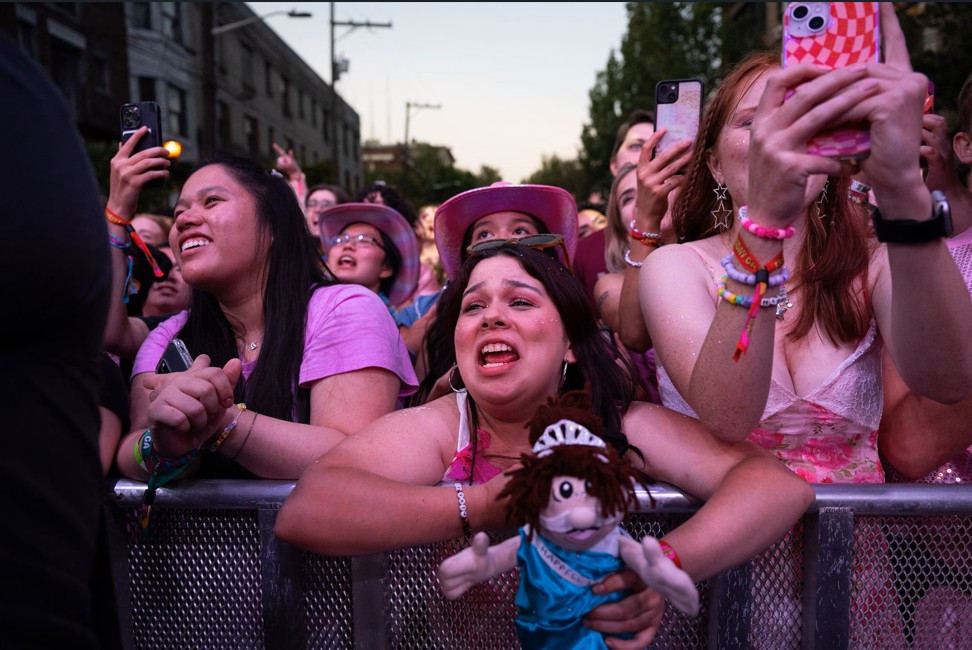
Parasocial relationships are not new. Audiences have always formed one-sided emotional bonds with actors, musicians, athletes, presenters, and public figures. What has changed is the structure of access. Millennials grew up with celebrities who appeared through television, magazines, interviews, films, music videos, and later social media. Gen Z grew up with creators who speak directly into the camera, post daily, reply to comments, livestream from bedrooms, and share parts of ordinary life.
This difference changes how connection feels. For Millennials, parasocial attachment often formed through admiration and distance. For Gen Z, it often forms through routine, perceived honesty, and interaction. A young viewer can move from a creator’s personal story to a livestream, from a comment thread to a gaming clip, or from a reference such as forest arrow game apk to another piece of mobile entertainment inside the same creator-led media flow.
Millennials Learned Parasocial Bonds Through Distance
Millennial parasocial relationships were shaped by traditional celebrity systems. Public figures were visible, but not constantly available. Fans saw them in films, music releases, interviews, posters, magazines, award events, and television appearances. Access was controlled by media institutions.
This distance created status. A celebrity felt larger than daily life because they were hard to reach. The audience knew the figure through selected appearances and polished narratives. Even when fan attachment was strong, the relationship was built around separation.
Millennials often admired celebrities for talent, image, career, or cultural impact. A favorite actor, singer, or presenter could represent a period of life, a style, or a shared generational reference. The emotional bond was real, but it usually did not feel like direct friendship.
Social media changed this later, but many Millennials still carry the older model. They may follow public figures online, but they often understand that the access is managed.
Gen Z Learned Connection Through Presence
Gen Z formed creator relationships in a different media environment. A creator may appear daily in a feed, speak casually, film in private spaces, share routines, discuss problems, and respond to audience input. This creates the feeling of presence.
The creator does not only perform finished work. They seem to live alongside the viewer’s day. They appear during breakfast, before sleep, between classes, during breaks, and inside group chats. Frequency creates familiarity. Familiarity can feel like closeness.
For Gen Z, parasocial connection often grows from repeated small moments rather than major public events. A creator’s tone, room, pet, running joke, editing style, or way of answering comments can become part of the viewer’s routine. The bond forms through consistency.
This makes creator attachment feel more intimate than older celebrity fandom.
Interaction Changes the Illusion
The key difference between older parasocial bonds and creator-led bonds is interaction. Traditional celebrities could be admired, but most fans had little chance of receiving a response. Gen Z creators often invite direct contact through comments, polls, live chats, questions, private communities, and reaction content.
Even when a creator does not reply personally, the possibility of reply changes the relationship. Viewers feel that their comments might be seen. They may shape future content through feedback. They may watch the creator answer questions from people like them.
This creates a semi-participatory parasocial relationship. It is still unequal, but it feels less distant. The audience is not only watching a person. It is helping build the environment around that person.
The comment section also becomes part of the bond. Viewers connect not only with the creator, but with other fans who share the same emotional investment.
Trust Is Built Through Apparent Imperfection
Millennials often learned to read polish as professionalism. A well-produced interview, music video, or film performance could strengthen celebrity status. Gen Z often reads too much polish as distance. They may trust creators who show mistakes, awkward moments, unfinished thoughts, or casual settings.
This does not mean creator content is automatically authentic. It can be planned, edited, sponsored, and strategically personal. But the style of imperfection matters. It signals access.
A creator who talks about burnout, failed projects, family issues, body image, money stress, or daily routines can feel more believable than a celebrity giving a press answer. Gen Z often values this perceived directness.
The risk is that vulnerability can become a performance style. When emotional openness becomes content, the viewer may struggle to know where authenticity ends and branding begins.
Identity and Parasocial Attachment
Gen Z also connects with creators through identity. A creator may represent a way of dressing, studying, speaking, coping, joking, dating, eating, gaming, or thinking. Following that creator becomes a way to test identity.
This is different from simply liking a performer. The creator can become a model for self-presentation. Viewers may copy phrases, routines, aesthetics, opinions, or habits. The parasocial bond becomes part of how the viewer understands themselves.
Millennials also used celebrities for identity, but often through broader symbols: favorite bands, actors, genres, or subcultures. Gen Z identity is more continuous and update-driven. Creators provide daily signals that can be absorbed into personal style.
The Emotional Benefits
Parasocial relationships can offer comfort. A creator can make a viewer feel less alone, provide routine, explain confusing topics, or create a sense of community. For young people who feel isolated, creator content can offer a low-pressure form of connection.
These bonds can also help viewers explore interests. A creator may introduce books, games, music, fashion, politics, fitness, or skills. The relationship becomes a pathway into knowledge and community.
For Gen Z, this is one reason creator-led media feels powerful. It combines entertainment, guidance, and belonging.
The Risks of Creator Closeness
The same closeness can create problems. Viewers may feel entitled to a creator’s time, private life, or emotional availability. They may take criticism of the creator personally. They may confuse repeated exposure with real mutual knowledge.
Creators also face pressure. When fans expect constant access, creators may feel unable to set boundaries. They may turn private struggles into content because vulnerability performs well. This can harm both sides.
Parasocial relationships are not inherently unhealthy, but they require awareness. The viewer can feel connected while still remembering that the relationship is mediated, commercial, and unequal.
Conclusion: From Admiration to Daily Intimacy
Millennials and Gen Z both form parasocial relationships, but the emotional structure is different. Millennials often learned attachment through distant celebrities and shared cultural moments. Gen Z learned attachment through creators who appear present, casual, responsive, and woven into daily routines.
The shift is not only about younger audiences being more attached. It is about platforms making attachment feel interactive. Comments, livestreams, personal stories, and constant posting turn creators into familiar figures who seem closer than traditional celebrities.
Parasocial relationships now sit at the center of digital entertainment. They shape trust, identity, fandom, and consumption. For Gen Z, the creator is not only someone to watch. The creator is often a voice inside the routine of everyday life.