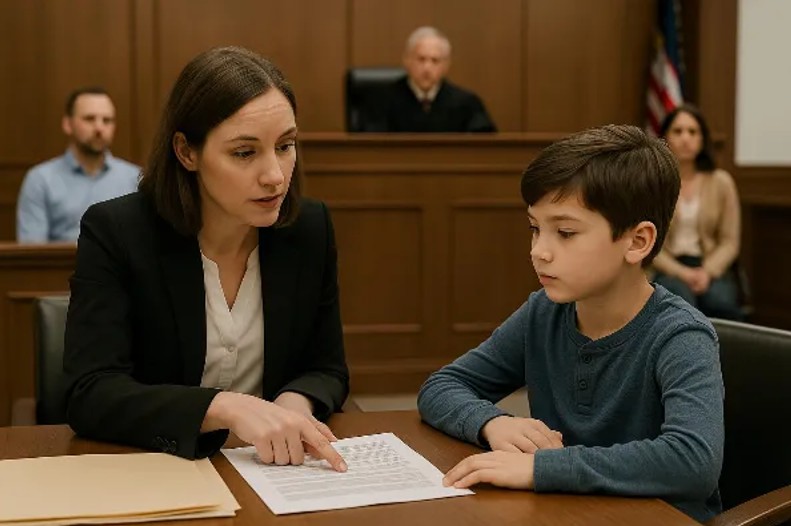
The caregiver who becomes the primary beneficiary of their patient’s estate is the most common factual pattern in California wrongful disinheritance litigation. The pattern follows a recognizable trajectory: a vulnerable elder loses independence through illness, cognitive decline, or physical impairment; a caregiver steps in and gradually assumes control over not only the elder’s physical care but their financial affairs, communications, and social relationships; family members are progressively excluded from access to the elder; and the estate plan is changed, often multiple times with each change further benefiting the caregiver, until the caregiver has displaced the elder’s prior intended beneficiaries entirely. Understanding this pattern, the specific legal tools California provides to address it, and the evidence strategy that most effectively proves caregiver undue influence gives disinherited family members the foundation for a successful legal challenge.
The Care Custodian Category Under Probate Code Section 21380
California Probate Code Section 21380 specifically addresses the caregiver relationship through the care custodian category. A donative transfer from a dependent adult to a person who provided care to that adult is presumptively the product of fraud or undue influence when the care custodian is a donee under the instrument. The definition of care custodian under the statute is broad and includes not only formal licensed caregivers but also any person who regularly provided personal care services to the dependent adult, including assistance with bathing, dressing, meal preparation, transportation, financial management, and other activities of daily living. This broad definition ensures that the caregiver presumption applies to the informal caregiver arrangements that most elder exploitation involves, not only to licensed home health agencies whose employment of licensed caregivers would be subject to different regulatory oversight.
The Isolation Evidence That Corroborates the Undue Influence Pattern
Isolation of the vulnerable elder from their family and prior social network is one of the most consistent features of caregiver exploitation cases, and it is often the feature that generates the most compelling evidence. Family members who describe being denied access to the elder, having their phone calls screened or blocked, receiving different information about the elder’s condition than what the caregiver was telling others, and observing changes in the elder’s behavior and communication style that appeared inconsistent with their pre-illness personality provide the witness testimony that establishes the isolation pattern. Communications records, including the elder’s phone records, the caregiver’s text messages, and any emails between family members and the caregiver about access, document the isolation in contemporaneous written terms that carry more evidentiary weight than recollected descriptions.
Tracing the Estate Plan Changes to the Caregiver’s Influence
The temporal relationship between the caregiver’s increasing control over the elder and the changes to the estate plan that benefited the caregiver is the central factual argument in caregiver undue influence cases. When the estate plan was unchanged for years, the caregiver arrived, and within months the estate plan was amended to benefit the caregiver, the temporal pattern is compelling circumstantial evidence that the caregiver’s influence caused the change. When the estate plan changes were made by a new estate planning attorney whom the caregiver selected and accompanied the elder to see, rather than by the elder’s longtime attorney who would have known the prior plan, the manner of the change adds to the circumstantial picture of caregiver control. The California Legislature’s Probate Code Section 21380 establishes the care custodian presumption. Working with an experienced wrongful disinheritance lawyer who understands the caregiver exploitation pattern and how to build the evidence case that establishes it gives disinherited family members the effective legal challenge their situation requires.